When God Is Silent Psalm 44
When God Is Silent - Psalm 44
Monday, October 19, 2026
Songs of Grace: The Psalms of the Sons of Korah
When God Is Silent
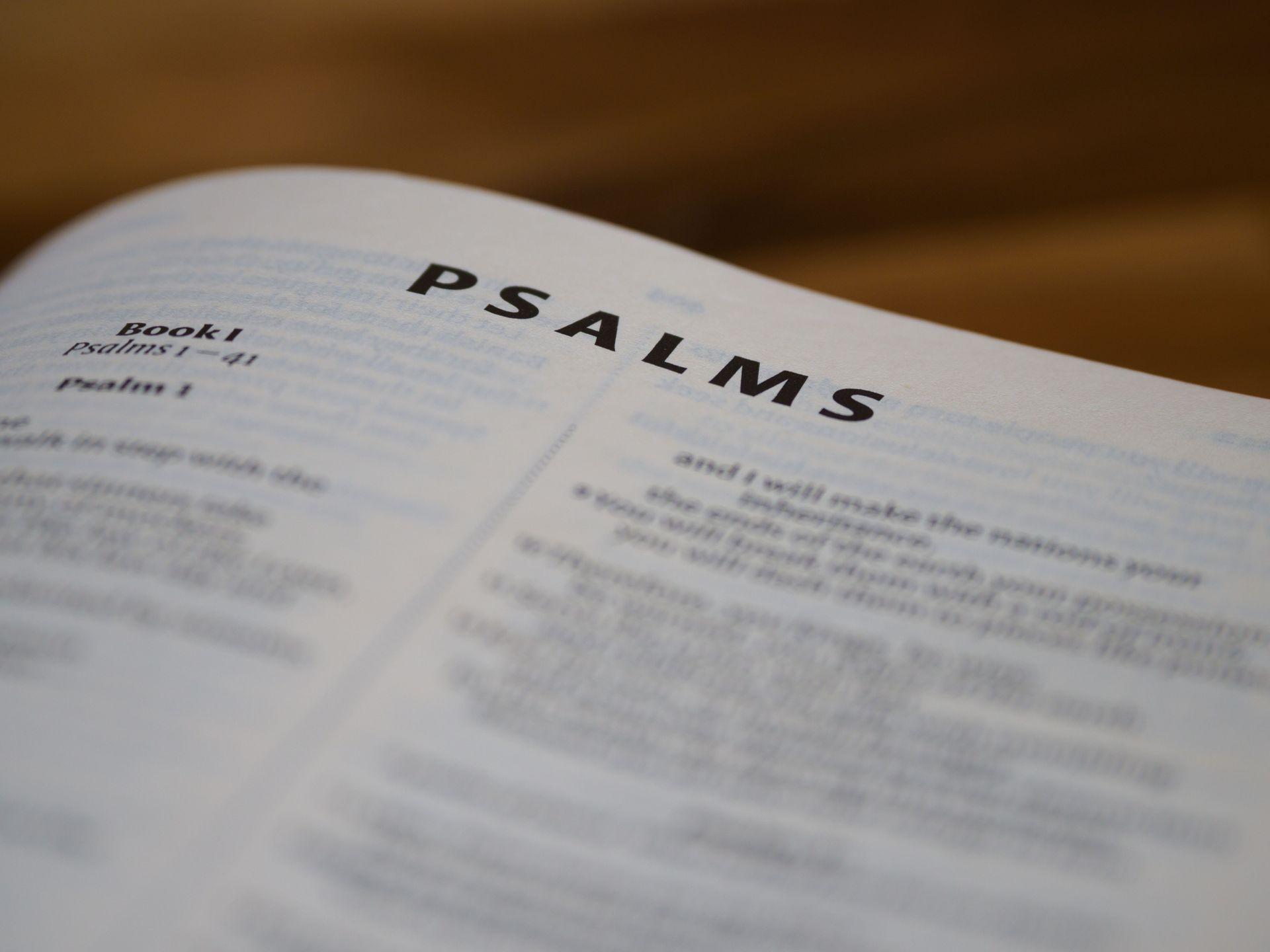
Psalm 44
Friends,
This Sunday we turn to Psalm 44. Last Sunday’s sermon introduced the sons of Korah and the astonishing grace that gave their family a future. Now we listen to their songs. The first one raises a question that many of us have asked, even when we were reluctant to say it aloud, “What do we do when we trust God, but don’t understand what He’s doing?”
Psalm 44 is a communal lament. The people remember what God did for their fathers, confess that He alone gave them victory, and then describe a present that seems to contradict everything they know about Him. They have suffered defeat, disgrace, and scattering. And here is the unsettling part. They insist they’ve not forgotten God or turned away from His covenant (vs 17–18). So, the astounding thing about this psalm is that it won’t let us explain every hardship by pointing to some obvious personal sin.
That matters to each and every one of us. Some suffering follows our foolish decisions. Some suffering comes because other people sin against us. And some suffering leaves us asking questions we can’t answer. This is why Psalm 44 is important. It gives faithful people words to pray in that third situation. It teaches us that honest lament expresses faith in the God we love and trust but don’t understand.
I’m still working through the sermon details, but here is the direction I want us to take together this week.
Big Idea: When suffering makes God’s ways difficult to understand, we can remember His faithfulness, tell Him the truth about our pain, and appeal to His steadfast love.
First: Remember What God Has Done (vs 1–8)
The psalm begins with testimony: “O God, we have heard with our ears, our fathers have told us” (v 1). Israel’s victories didn’t come from the strength of its sword or shields. God’s hand secured the land because He delighted in His people (v 3). Their confidence rests in His character and His saving acts, not in their own resources.
Notice that remembering is more than nostalgia. The worshipers rehearse God’s past faithfulness so they can face their present trouble. When life becomes confusing, we need the truth of God’s Word and the testimony of His grace to steady our hearts. That is one reason we gather each Sunday to worship, sing, pray, and listen to Scripture together.
Second: Tell God What Hurts (vs 9–16)
Then comes the painful turn: “But you have rejected us and disgraced us” (v 9). The people feel abandoned in battle. They are mocked by surrounding nations. Their humiliation follows them everywhere. The same people who praised God in the opening verses now talk to Him about their bewilderment.
We sometimes assume that faith means suppressing these kind of feelings. Psalm 44 shows us something better. The psalmist brings the confusion directly to God. He doesn’t stop praying when his circumstances no longer make sense. He prays more honestly. The language is bold, and we should read it as lament, not as a complete explanation of God’s purposes.
Most recently, think about Ray, who lost Ray Ray at 5 years old and then his wife Carol and lived eight years after she died. Think about others in our congregation who’ve prayed faithfully and lived joyfully through illness, bereavement, family trouble, or years of unanswered questions. They need permission to grieve before God without feeling that their sorrow demonstrates a lack of faith. This psalm gives it to them…and us.
Third: Remain Faithful When Answers Do Not Come (vs 17–22)
Here is the heart of the difficulty: “All this has come upon us, though we have not forgotten you” (v 17). The people deny any disobedience to the Lord can explain their present suffering. They even acknowledge that God knows the secrets of the heart (v 21). Their claim isn’t that they’ve never sinned. It’s that covenant betrayal doesn’t explain this calamity.
We have to handle that distinction carefully. Scripture certainly teaches that God disciplines His children (Hb 12:4-11) and that sinful decisions carry consequences (Ro 6:23). But Scripture also gives us people like Job, the man born blind in John 9, and this psalm. We should be very slow to tell a hurting Christian that we know why God has allowed a particular sorrow.
Verse 22 is especially important: “Yet for your sake we are killed all the day long; we are regarded as sheep to be slaughtered.” Paul quotes this verse in Romans 8:36. He doesn’t use it to promise that Christians will escape suffering. He uses it in the midst of an argument that nothing can separate us from the love of God in Christ Jesus. That connection will help us bring this psalm into the light of the gospel without dismissing its pain.
Fourth: Appeal to the Love of God (vs 23–26)
The psalm ends with an urgent prayer: “Awake! Why are you sleeping, O Lord?” (v 23). God doesn’t literally sleep, and the worshipers aren’t teaching that He has lost control. They are pleading for Him to act because His help feels so far away. And the final appeal is decisive: “Redeem us for the sake of your steadfast love!” (v. 26).
That’s where the psalm leaves us. We’re given a prayer, not an account of the rescue that followed. Oh, how we wish we were given that. But that’s not life. Sometimes God’s Word invites us to live faithfully before we know how a particular story will end. The worshipers can’t make sense of their circumstances, but they still know where to turn. They appeal to His hesed, His steadfast covenant love, and a word we heard many times in Psalm 119.
And here is where the gospel meets us. Jesus entered suffering, experienced rejection, and cried out from the cross. Yet God didn’t rescue Him. Now, our suffering isn’t like Jesus’ suffering. His was redemptive in a unique, saving way. But Christ is a model for our suffering: while it doesn’t save our souls, all Christian suffering is redemptive, intended to save us from ourselves and from the world, and as a witness to the world. But oh, how hard it is to trust God in those moments.
More, Jesus’ resurrection assures us that suffering and death don’t have the last word. That’s why Romans 8 takes up the language of Psalm 44 and insists that in all these things we are more than conquerors through Him who loved us (Ro 8:37). God’s love is certain even when His ways are hidden from us.
Conclusion: Faith Can Keep Praying Through the Darkness
I want us to resist the temptation to tie this psalm up too neatly. Psalm 44 ends with a request for redemption, and we should let that unresolved cry keep its weight. Why? Because some of our people will walk into church on Sunday with prayers that haven’t yet received the answers they hoped for. But while they lament, the Lord has given them a song to sing and “treasures in heaven, where neither moth nor rust destroys and where thieves do not break in and steal” (Matt 6:20). We have, as Peter reminds us, “an inheritance that is imperishable, undefiled, and unfading, kept in heaven for you” (1 Peter 1:4).
As you prepare for your CG this Sunday morning, ask yourself where the people you shepherd are struggling to reconcile God’s faithfulness with their circumstances. Help them remember His works, speak honestly to Him, and continue trusting His steadfast love. We don’t need to know everything God is doing to know we can bring our broken hearts to Him.
Thank you for loving our people and helping them learn to bring their whole lives before the Lord. I’m praying this psalm will make us more compassionate toward those who suffer and more confident in Christ's love.
PS. Your CG made the Fall Festival a success. Thank you. Thank you also for honoring Ray and Carol Clayton and their extended family at last night's funeral.
In the love of Jesus for you and me,
Pastor Reggie