Hello Darkness, My Old Friend
Hello Darkness, My Old Friend - Psalm 88
Monday, November 16, 2026
Songs of Grace: The Psalms of the Sons of Korah
Hello Darkness, My Old Friend
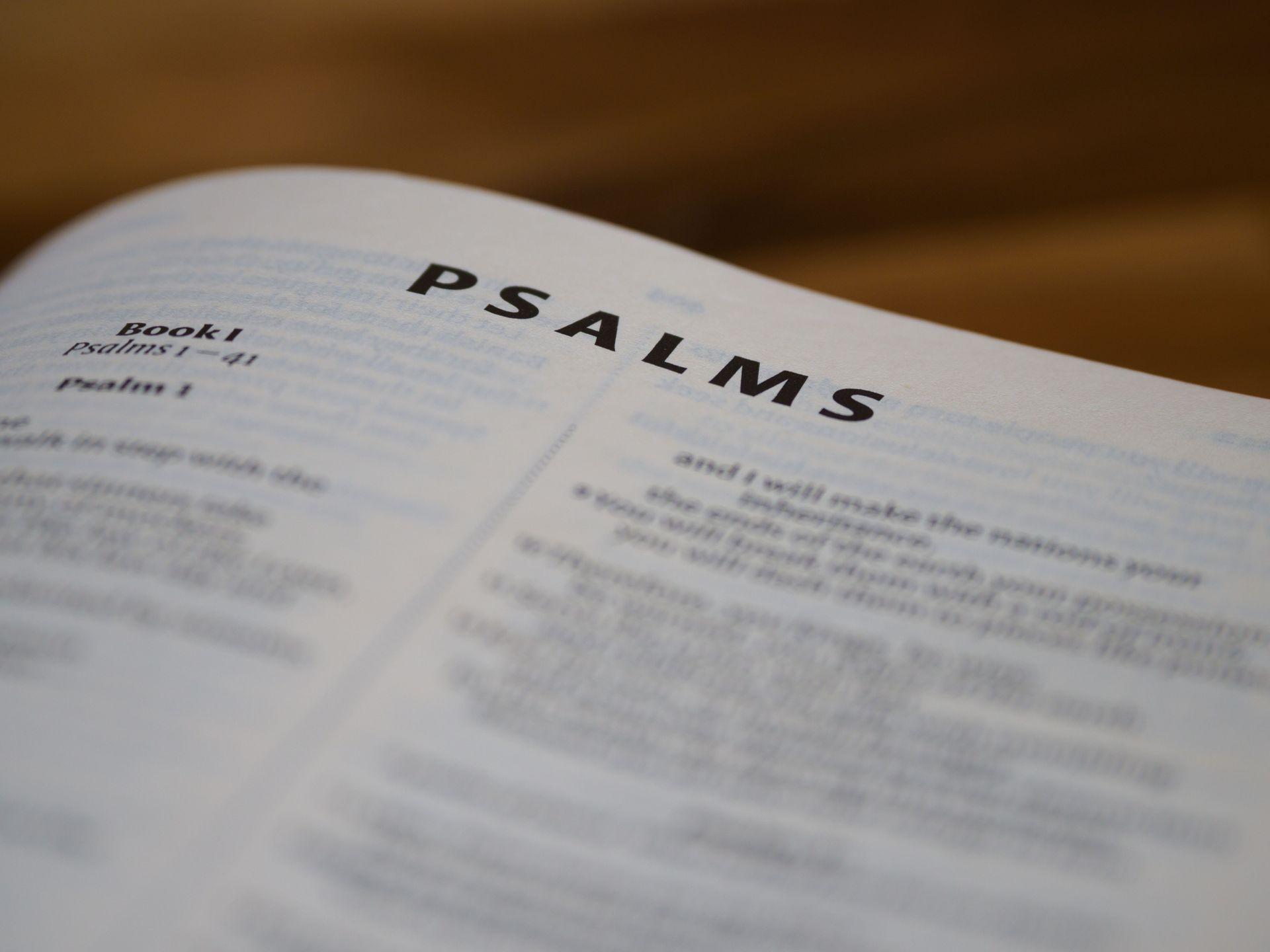
Psalm 88
Friends,
Last Sunday, Psalm 47 called us to celebrate the God who reigns over all the earth. We heard the Sons of Korah summon the nations to clap their hands and shout to God with songs of joy. This Sunday, we'll hear another song from the same collection, but what a difference! Psalm 88 is one of the darkest prayers in the Bible. It begins with a man crying out to God and ends with that same man surrounded by darkness.
I love the honesty of the Psalms. They teach us to rejoice when life is good, to trust God when life is uncertain, and to cry out to Him when life becomes almost unbearable. And sometimes, as Psalm 88 reminds us, the darkness doesn't lift as quickly as we'd hoped.
Sometimes it doesn't lift at all during the time we're given to observe. That’s true of this psalm.
Most psalms of lament eventually turn toward praise, thanksgiving, or an expression of renewed confidence. Psalm 88 doesn't. There's no dramatic deliverance, no change in circumstances, and no happy ending. The psalmist's suffering remains unresolved when the song concludes.
But there's something remarkable about this psalm that we might miss if we concentrate exclusively on its darkness. The psalmist keeps praying. He cries out to God day and night (v 1). He calls on the Lord every day (v 9). And when morning comes, he's still praying (v 13).
His circumstances haven't changed; he’s still living in duress, but he hasn't stopped bringing his heart to God.
As of this morning, here's where I think Sunday's sermon is headed.
Big Idea: Even when the darkness doesn't lift, we can still cry out to the God of our salvation.
First: When Life Feels Like Death (vs 1–7)
The psalm opens with a remarkable confession: "O LORD, God of my salvation" (v 1). I don't want us to miss that. Before the psalmist describes his suffering, he identifies the One to whom he's praying. He's speaking to the God he knows as his salvation. And then he tells us just how terrible his suffering has become.
His soul is full of troubles. His life draws near to Sheol, the realm of the dead. He feels as though he's already been counted among those who are descending into the pit. He's without strength, overwhelmed, and cut off from everything that once made life bearable.
What's especially troubling is that he attributes his suffering to God. "You have put me in the depths of the pit" (v 6). He feels the weight of God's wrath and believes that God Himself has brought him into this terrible place. As hard as it might be, we need to hear those words as the psalmist intended them. He's describing suffering so profound that it has shaken his understanding of what God is doing in his life. And yet, he's praying.
That opening confession is important. He doesn't begin by telling us how strong his faith is. He begins by addressing the God of his salvation, the God he knows can save him. His confidence rests in the character of the One to whom he's crying and not in changing circumstances, no matter how blessed or ill they may be.
Second: When God Seems Far Away (vs 8–12)
The psalmist's suffering has affected his relationships. His companions have been removed from him. He's become an object of horror to those who once knew him. He's shut in and can’t escape. And there's something especially painful about suffering alone, isn't there? When life becomes difficult, we naturally long for the presence of people who love us. But this man has lost even that comfort.
But once again, he tells us that he's praying. "I call upon you, O LORD, every day; I spread out my hands to you" (v 9). Think about that picture. Here's a man who feels abandoned by God, yet day after day, he continues reaching toward Him. That’s living faith.
Then come six questions about death and God's mighty works, steadfast love, faithfulness, and righteousness (vs 10–12). These questions reveal how desperate his circumstances have become. He's pleading for God to act while he still lives among those who can praise Him. There's no suggestion that his prayers have brought relief. His suffering continues. But so do his prayers.
I think there's something wonderfully instructive here for us. Sometimes our prayers are filled with confidence and joy. Other times, they're filled with questions, sorrow, and tears.
Sometimes God answers immediately or quickly. Sometimes He takes His time, or doesn’t answer at all. Psalm 88 reminds us that we can bring all of those things before God.
Third: When the Darkness Doesn't Lift (vs 13–18)
The final movement of this psalm begins with another declaration of persistent prayer: "But I, O LORD, cry to you; in the morning my prayer comes before you" (v 13). He's still praying, and I find the repetition really important. Day and night. Every day. In the morning. The psalmist has been crying out to God, and he continues to do so even though nothing in his circumstances suggests that relief is coming.
But then, the questions become even more painful. "O LORD, why do you cast my soul away? Why do you hide your face from me?" (v 14). He describes suffering that has accompanied him since his youth. He feels overwhelmed by God's terrors. His loved ones and companions have disappeared from his life. And then comes the final word: darkness. That's where the psalm ends.
There's no sudden answer from Heaven. No change in circumstances. No concluding expression of praise. The psalmist leaves us with his suffering unresolved. As painful as that might be, I think we need to be careful here. We shouldn't try to give this man an ending God hasn't given him in the psalm. The Lord has included this prayer in His Word, and He has allowed it to end in darkness.
That tells us something important about the Christian life. There are times when we may continue praying without seeing the answer we long for. There are burdens we may carry for years. There are questions we may take with us to the grave. But Psalm 88 shows us that even in those circumstances, we can and should keep crying out to the God of our salvation.
Fourth: And Here, the Gospel Meets us in the God Who Entered Our Darkness
Of course, we have the privilege of reading Psalm 88 in the light of the completed Bible and the saving work of Jesus Christ.
We need to remember that Psalm 88 is the honest prayer of a suffering man. We shouldn't treat every expression of his pain as a direct prediction of Jesus' crucifixion. But the suffering described here finds a profound connection with what Jesus experienced. Our Savior knew rejection, abandonment, suffering, and death. In Gethsemane, His soul was deeply sorrowful, even to death (Matt 26:38). At Calvary, He cried out, "My God, my God, why have you forsaken me?" (Matt 27:46).
Jesus entered the darkness of human suffering and bore the judgment our sins deserved. And on the third day, He rose from the dead. His resurrection assures us that death and darkness will not have the final word in God's purposes for us (1 Cor 15:20–26). This means that sometimes, God doesn’t relieve our suffering, but that it is always redemptive, for our good and that of others. That’s what the cross teaches us.
But I want us to appreciate the difference between knowing that truth and experiencing the resolution of every painful circumstance in this life. We can believe wholeheartedly in the resurrection and still grieve deeply. We can know that Jesus loves us and still struggle with unanswered questions. We can trust God's promises and still find ourselves crying out to Him through the night. Psalm 88 gives us words for those experiences. And the gospel assures us that the God to whom we cry has entered our suffering through His Son and has secured a future in which death, mourning, crying, and pain will finally be no more (Rev 21:4).
A Final Word to You as a CG Leader
I think this may be one of the most important psalms we'll study in this series because it speaks so directly to experiences we often find difficult to discuss. Some of the people in your CGs may be carrying burdens we know nothing about. Others may have shared their struggles with us, and we've been praying with them for months or even years. Some may be wondering why God hasn't answered prayers they've offered faithfully for so long.
Let's be especially tender with one another as we study this psalm. We don't have to explain every sorrow or provide an answer to every question. Sometimes the most loving thing we can do is listen, sit beside someone who is hurting, and pray with them. We can also remind them that God has given us a psalm like this because He welcomes the honest cries of His people.
And I hope we'll remember something else. The psalmist never tells us that his darkness has lifted. He simply keeps bringing it before the Lord. Sometimes that's what the best version of faith looks like.
I'm looking forward to studying this remarkable psalm with you and our church family.
Thank you for loving Jesus and His people so faithfully. In the love of Jesus for you and me,
Pastor Reggie